

Sign In
Temple Adventures Divers India is a dive centre in Pondicherry, India offering guided dives, dive packages, and local expertise for visiting divers.
Expect a well-rounded mix of guided dives, training, and local support.
Certified by PADI for standards and safety.
Certifications

Continue your mermaid education and prepare to teach PADI’s Basic Mermaid and Discover Mermaid pool-based classes! This instructor certification course option is designed for people WHO HAVE ALREADY taken and passed their PADI Advanced Mermaid certification course. REQUIRED CLASS SESSIONS (Scheduled Based on Participant and Pool Availability), approximately 16-20 hours total based on class size. (3) Evening Online Classes (2-3) Daytime In Person Classes WHAT IS INCLUDED IN COURSE: PADI Mermaid Instructor Course Training PARTICIPANTS PROVIDE: Their Own Meals / Non-Alcoholic Beverages Towels, Sunscreen, Notepad, Pencil, Sunglasses, Hat Swimsuit Weight Belt with 4-8 1# Weights – Freediving / Rubber Style Belt Preferred Wetsuit Ocean Level Bifins or Long Fins (With Dive Boots if your bifins need them) Soft Sole Fin Socks / Swim Socks (Dive Boots will not fit mermaid fins) J-Style Freediving Snorkel Low Volume Mask Transportation Overnight Lodging Accommodations (If Applicable) Dive Jacket, Robe, or Other Warm Outer Layer Mermaid Tail (Mertailor Guppy or Cape Cali Diveskin Preferred) SAFETY: Neoprene and/or fabric tails made by Finfolk Productions are not allowed. ELIGIBILITY REQUIREMENTS: Ages 18+ PADI Advanced Mermaid Certification OR SSI Ocean Mermaid OR Freediving Instructor Certification Possess Current, Valid, First Aid / CPR / AED Certifications (Red Cross Lifeguard or Instructor certs ok) with Emergency O2 Cert PADI Diver Medical Form Signed & Completed by a Physician in the Last 12 Months SWIMMING REQUIREMENTS: Lap swim 400m nonstop without any aids Float 10 minutes only wearing a swimsuit Lap swim 800m in snorkeling gear / no wetsuit without using arms Surface tow or push a diver 100m in a monofin (mermaid fin) ADDITIONAL REQUIREMENTS POST-COURSE BY PADI Proof of Freediving Instructor Insurance Instructor Application Fee(s) Instructor Application Emergency O2 Kit Surface Support Float
Freediving Instructor
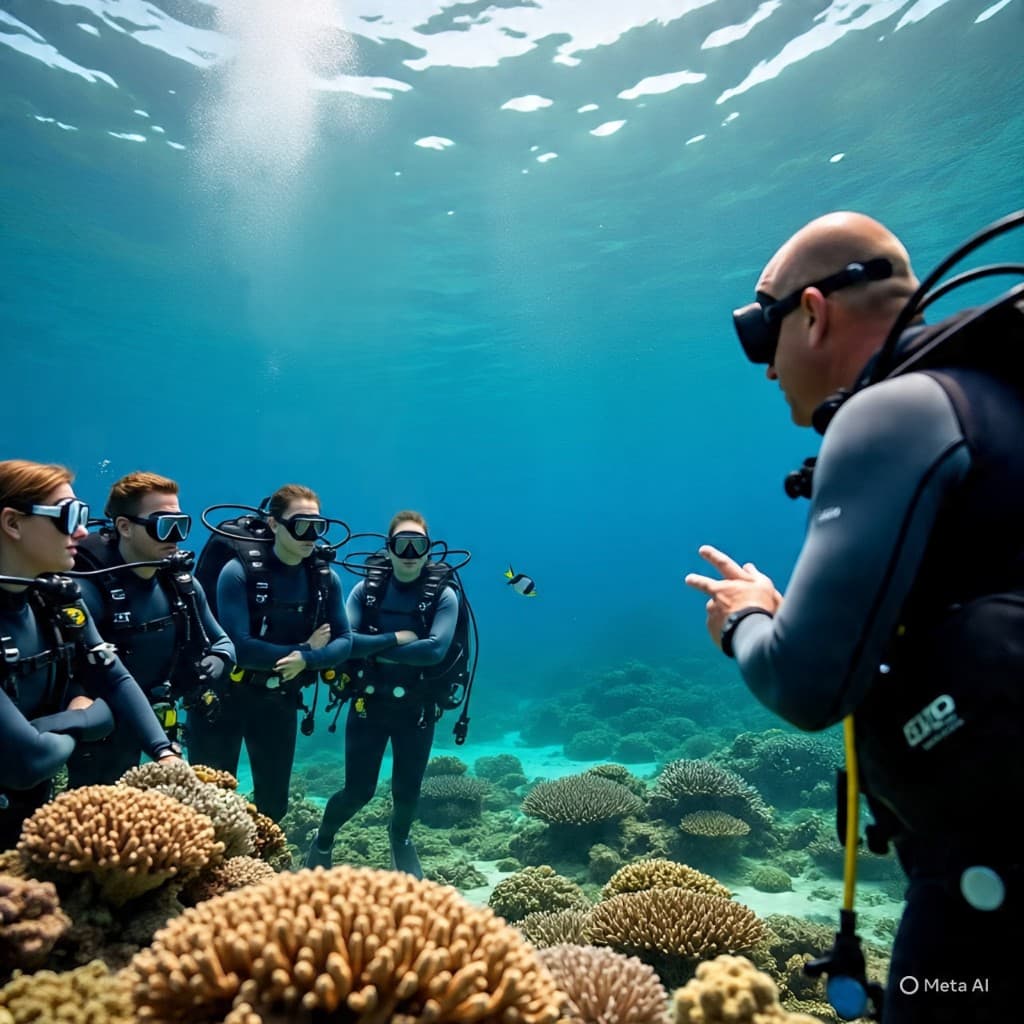
If you’re an avid freediver, you likely spend a lot of time thinking about freediving, talking about freediving and sharing the details your latest freediving adventures. Becoming a Freediver Instructor lets you take your passion for freediving to the next level and allows you to do what you enjoy as a profession. You must earn the Freediver Instructor rating, but you gain a job that lets you share incredible underwater achievements with others – transforming their lives for the better while enriching yours. There are two paths to earning the Freediver Instructor rating. The first is for experienced freedivers who gain instructional skills by attending a Freediver Instructor Training Course. The second path is for freediver instructors who want to join the organization by attending a Freediver Instructor Orientation. To enroll in a Freediver Instructor Training Course, you must be at least 18 years old, have a Master Freediver certification (or have a qualifying certification), be a current Emergency First Response Instructor (or qualifying CPR/first aid instructor) and present a medical statement signed by a physician within 12 months. Note that Open Water Scuba Instructors (or higher rating) who have a Advanced Freediver certification and are current Emergency First Response Instructor (or qualifying CPR/first aid instructor) and present a medical statement signed by a physician within 12 months may enroll in a Freediver Instructor Training Course. Academic In the Freediver Instructor Training Course, over a minimum of four days, during both classroom and inwater sessions, you cover these key topics: Freediver course standards and procedures Learning and Instruction Teaching Skills and Supervising Freedivers Safety and Risk Management Freediving Physiology and Psychology Organizing and Marketing Freediving In the Freediver Instructor Orientation, which may be conducted in person or as a webinar over a few hours, you cover these key topics: Freediver course standards and procedures Organizing and Marketing Freediving For both program, there is also a Care for the Environment topic and a written final exam.

To enroll in a Master Freediver course you must be at least 18 years old and have a Advanced Freediver certification (or a qualifying certification from another freediver organization). You also need to have Emergency First Response Primary and Secondary Care (CPR and First Aid) training within the past 24 months. You can complete this training during the Rescue Diver course. Your instructor may also offer the Emergency Oxygen Provider specialty diver course at the same time. Academic The Master Freediver course consists of three main phases: Knowledge development about nutrition, relaxation and advanced breathing techniques. You’ll study independently using the Freediver eLearning (or your instructor may conduct class sessions if not available in your language). You’ll also complete independent research as part of the Master Freediver Assignment. Confined water session to improve static and dynamic apnea attempts, including a no fins dynamic apnea. Goal – static apnea of 3 minutes, 30 seconds and dynamic apnea of 70 metres/230 feet. Open water sessions to practice mouthfill equalization and perform warm-up and workup dives for free immersion and constant weight freediving. Goal – constant weight freedive of 32 metres/105 feet. You need to have a freediving mask, snorkel, bifins, wetsuit and weight belt. Your instructor may allow you to use monofins. You’ll also need a surface signaling device and a freediving computer (or depth gauge and timer).

To enroll in a Advanced Freediver course you must be at least 15 years old and have a Freediver certification (or a qualifying certification from another freediver organization). You also need to have Emergency First Response Primary and Secondary Care (CPR and First Aid) training within the past 24 months. You can complete this training during the Rescue Diver course. Your instructor may also offer the Emergency Oxygen Provider Specialty course at the same time. Academic The Advanced Freediver course consists of three main phases: Knowledge development about advanced freediving techniques and equipment. You’ll study independently using the Freediver eLearning (or your instructor may conduct class sessions if not available in your language). Confined water session to learn stretching and relaxation techniques as well as refine static and dynamic apnea. Goal – static apnea of 2 minutes, 30 seconds (2 minutes for freedivers younger than 18) and dynamic apnea of 50 metres/165 feet (40 metres/130 feet for freedivers younger than 18) Open water sessions to practice deeper free immersion and constant weight freedives, along with additional buddy procedures and rescue techniques. Goal – constant weight freedive of 20 meters/65 feet (15 metres/50 feet for freedivers younger than 18) You need to have a freediving mask, snorkel, bifins, wetsuit and weight belt. Your instructor may allow you to use monofins. You’ll also need a surface signaling device and a freediving computer (or depth gauge and timer).
Freediver
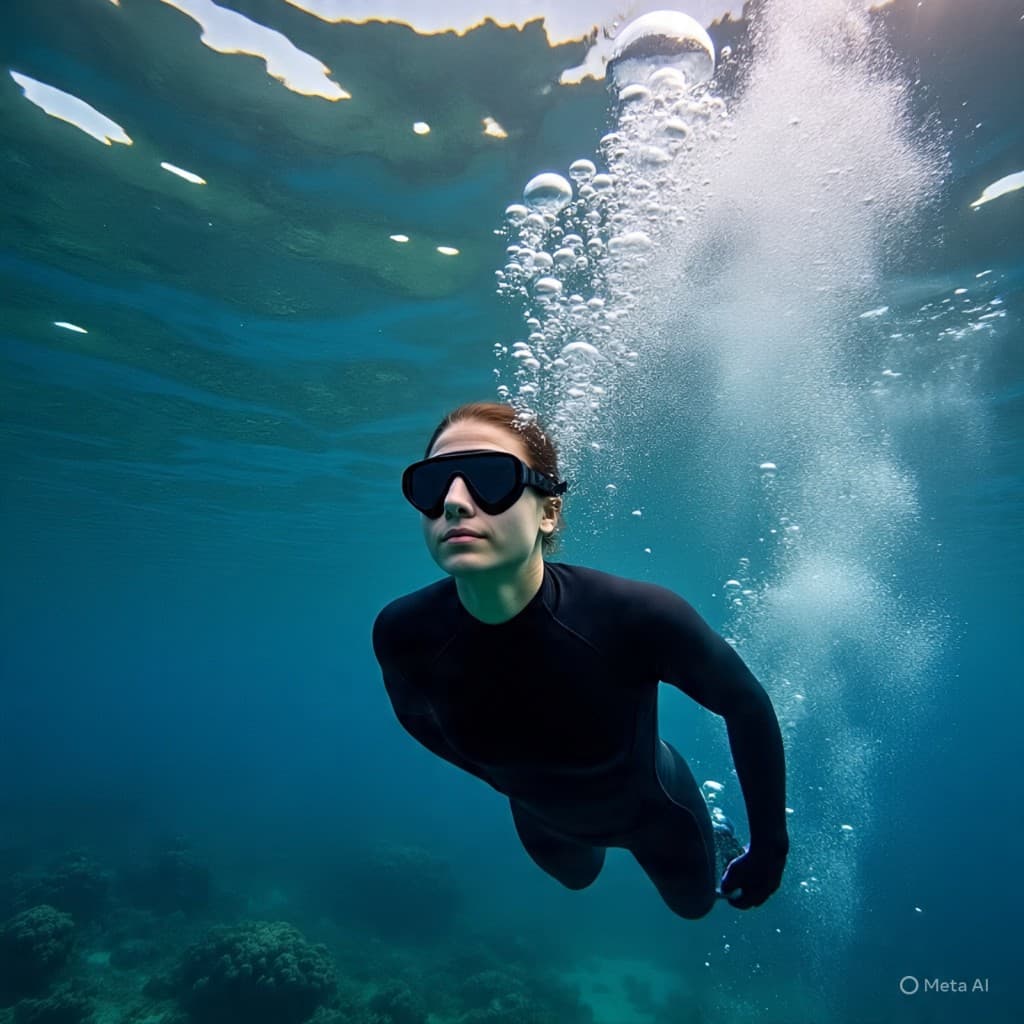
The PADI Freediver course consists of three main phases: Knowledge development about freediving principles through independent study with PADI Freediver eLearning (or your instructor may conduct class sessions if not available in a language you understand). Confined water session to learn breathhold techniques as well as static and dynamic apnea. Goal – static apnea of 90 seconds and dynamic apnea of 25 metres/80 feet. Open water sessions to practice free immersion and constant weight freedives, plus proper buddy procedures. Goal – constant weight freedive of 10 metres/30 feet.
Basic Freediver
The PADI Basic Freediver course consists of two main phases: Knowledge development through independent study with the PADI Freediver eLearning (or your instructor may conduct class sessions if not available in a language you understand). Confined water session to learn breathhold techniques as well as static and dynamic apnea, plus proper buddy procedures. Goal – static apnea of 90 seconds and dynamic apnea of 25 metres/80 feet.
Enriched air, trimix and rebreather diving just can’t happen without the right gas mixes. Not only does a dive shop need the right blending equipment, but it also needs qualified gas blenders. As a Tec Gas Blender Instructor, you can help meet the demand for gas blenders by offering this important training – the Tec Gas Blender course. To enroll in a Tec Gas Blender Instructor course, you must be a: PADI Open Water Scuba Instructor PADI Enriched Air Instructor Tec Gas Blender Note that qualifying certifications from other diver training organizations may apply – ask your Tec Gas Blender Instructor Trainer. Academic Since you’re already a gas blender, the course reviews your knowledge of gas blending procedures to make sure that you not only understand them, but can explain critical information to others. You also demonstrate step-by-step oxygen cleaning procedures, practice teaching segments of the course and create different gas blends.
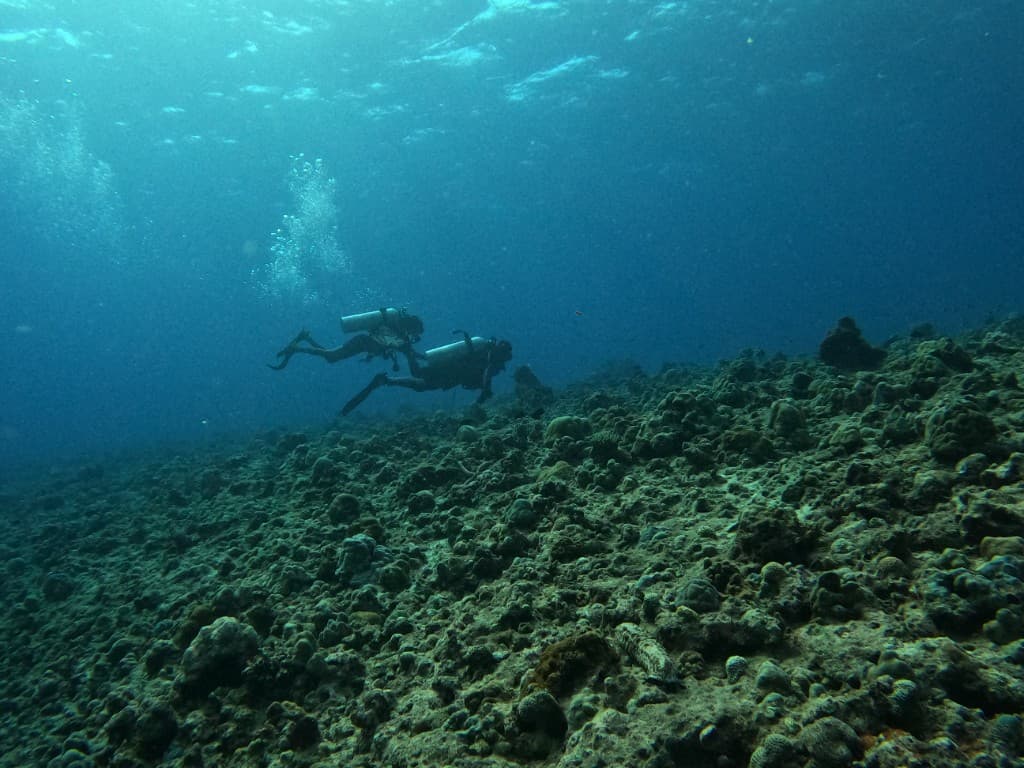
Discover Tec
Curious about technical (tec) diving, but not sure about jumping into a course? Discover Tec is a short confined water experience that allows you to give technical diving a try. You get to wear all the extra tec diving gear and take it for a test dive. Your PADI Tec Instructor may introduce a few basic skills, such as primary to secondary regulator switch and gas shutdown procedures. If you’re interested in tec diving and are a PADI Open Water Diver, at least 18 years old, and have a minimum of 10 logged dives, you qualify for Discover Tec. Academic Your PADI Tec Instructor will explain the equipment you’ll use and go over basic tec diving procedures, such as the importance of diving in teams. You’ll get in the water, make gear adjustments, then simply explore and get a feel for the equipment. Discover Tec may credit toward the Tec 40 course if you successfully complete the Tec 40 Training Dive One required skills. Ask your instructor about this option if you’re interested. You’ll want to have your mask, fins and exposure suit. Your PADI Tec Instructor will have the technical diving equipment, including but not limited to – two tanks, primary and backup regulators, and technical diving BCD and harness or sidemount harness.
PADI Tec Rescue
Program Overview Pre-requisites:Student: PADI Tec 45 Diver + Rescue Diver Instructor: PADI Tec Deep Instructor Maximum Depth: Maximum depth 20 metres Ratios: maximum: 6:1 + 2 with CA Min student age: 18 Minimum no. dives: 4 (inc two CW or limited OW and 2 full OW / scenario dives) Required equipment: As per Tec Deep course + min 1 stage cylinder Academic topics The course should include knowledge development that includes topics such as: Accident avoidance Risk assessment How to spot an emergency situation Emergency signalling protocols (emergency buoys etc) Procedures when reacting to an emergency situation Adjusting plans to fit unexpected hazards Importance of buddy checks and unfamiliar equipment – rebreathers, OC twinsets etc Team diving and signalling techniques (torches etc) O2 toxicity effects Deco logistics – hydration and air breaks Skipping deco stops DCS types Considerations when raising an unconscious technical diver Egress of the technical diver Missed stop protocol Reverse block Inner ear bend / vertigo In water recompression Neuro exam 02 admin Incident management The Rescue Diver manual could be used as a reference tool for some of the above. Diving skills The following skills can be discussed and practised. These would generally take the form of an initial skill practise in confined or limited Open Water with scenarios to follow during full open water dives. Scenarios should not be practised on dives with a real deco obligation – any stops referenced in the skills below should be simulated. Typically dives should be conducted in relatively shallow water (<20 metres) particularly any skills that assisting another diver with an ascent, due to the increased possibility of a fast ascent. Skills of this nature should be conducted in water that is 12 metres or shallower. Skills should be spread over dives to avoid multiple ascents. Suggested skills: No mask ascent and supporting a diver without a mask making an ascent Diver lifts with deco stops OOA drills including gas switching, buddy breathing etc OOA whilst using DSMB Passing cylinders to deco divers (diver to diver) Passing cylinders from boat of out of air diver at deco stop React to emergency buoy (according to local protocols) Support diver roles Toxing diver + lift to surface Isolator shut down assistance Assisting vertigo diver Gas switching assistance to another diver DCS denial Scenarios

f you already have your certification and just want to have fun then you have come to the right place! We have everything you need to get wet in safety and comfort. The deep sites of Pondy is renowned for great deep coral reefs, and we explore more of it every time we go there. So, safe to say that you will be one of the very first people to dive there. All our dives are guided by one of our experienced and professional team. You will have the chance to discuss your personal preferences and desires in advance, either by email or in person before diving. We like to be flexible to your style while at the same time maintaining an overall level of safety which gives everyone peace of mind.
First Aid – an essential component of teaching / life It is a great feeling being able to help in times of crisis. Becoming a First aid Trainer allows you not only to extend your own training knowledge and practice, but also to convey your skills and knowledge to help others in the community. This program can be used to teach your diving students, at any time but importantly for Rescue, Divemaster, and Instructor. But also it can be for anyone, even non-divers, and land based sports / activities. Prerequisites Current EFR Caring for others! Material For the EFRI program candidates need to purchase the EFR Instructor Manual, which includes all necessary books and documentation, available from Temple Adventures for 135 AUD. Application Fee Once your EFRI program is completed you will submit your EFRI application to PADI. Application fees amount to 172 AUD
More scuba diving and more fun sharing what interests you – that’s what teaching specialty diver courses is all about. The best way to learn how to make your specialty diver courses really special is to take a specialty instructor course from your local PADI Course Director. Specialty instructor courses provide teaching tips and hands-on experience that you can implement right away. With 25 standard PADI Specialty Diver courses, and numerous distinctive specialties, you have lots to choose from – so get going. All PADI Instructors will benefit from taking specialty instructor training courses, especially those who are ready to step up to the Master Scuba Diver™ Trainer (MSDT) rating, which requires at least five PADI Specialty Instructor certifications. PADI Assistant Instructors, instructor candidates in training, and PADI Divemasters are eligible to enroll in certain specialty instructor courses. Some specialties have additional prerequisites and exit requirements – ask your PADI Course Director for details. Academic You’ll learn new techniques to add to the experience you already have in a specialty area and have fun fine-tuning your skills and teaching methods. Plus, you’ll get great ideas for marketing your specialty diver courses.

Just as scuba divers look up to divemasters, instructor candidates really respect IDC Staff Instructors. As the name implies, IDC Staff Instructors assist with instructor training and share their wisdom and experience with new PADI leaders. Taking the IDC Staff Instructor course provides you with in-depth knowledge of the instructor development process and prepares you to shape the next generation of PADI Professionals. It’s also a great career move. Master Scuba Diver Trainers (MSDTs) who are ready to be excellent role models and agree to use the PADI System and components in their entirety may enroll in an IDC Staff Instructor course. Academic After a pre-assessment of your instructor-level knowledge of dive theory, exemplary dive skills and role-model presentation techniques, you’ll participate in these sessions: Instructor development standards, procedures and curriculum How to organize and conduct the PADI Assistant Instructor course The psychology of evaluation and counseling Evaluating knowledge development, confined water and open water teaching presentations Plus, you’ll get to audit an IDC or practice teaching many curriculum components. As an IDC Staff Instructor, you can independently teach PADI Assistant Instructor courses as well as assist with IDCs and other instructor-level continuing education courses.
The PADI Master Scuba Diver Trainer rating sets you apart as a dive instructor who takes continuing education seriously and is committed to teaching a variety of courses. (Potential employers like this.) Being an MSDT signifies that you’ve got the experience and certifications to offer all the training a diver needs to become a Master Scuba Diver – the ultimate recreational diver rating. All PADI Instructors who have certified at least 25 PADI Divers and have earned at least five PADI Specialty Instructor certifications can be Master Scuba Diver Trainers. This rating is the next step up the professional ladder and is a prerequisite for IDC Staff Instructor as well as for many TecRec Instructor ratings. Not there yet? Ask your PADI Course Director about a Master Scuba Diver Trainer prep course.
Be ready for a new life! As a PADI Instructor, you’ll be part of the largest, most widely recognized scuba training organization in the world,you will get the opportunity to share your passion introducing new divers to our underwater world. Temple Adventures is the Premier 5 stars Instructor Development Course Centre on mainland India – our courses are run by PADI Course Director and Technical Instructor Trainer Walter Schmitt, aided by PADI IDC Staff Instructors and Master Instructors. Courses can be taught in English, French, German, Spanish, Tamil and Hindi. You are now a qualified Diving Instructor! By signing up for and completing your Instructor level professional certification with Temple’s Platinum Dive Pro team, you will be learning from the best of the best, and accelerate to your goal of becoming a teacher of your own diving students! Using our international quality infrastructure of classroom, boats, vehicles, compressor systems, retail showroom, and constant dive students, you can get access to the real lifestyle of a diving instructor, and hands on experience all through your training program. Add on any specialties you also want to teach, and our trainer trainers will be happy to assist you and the rest of the candidates in teaching courses like Deep, Nitrox, DPV, Sidemount, Wreck, etc We also do provide job placement for the stars of each class, right here in our HQ in Pondicherry. A great way to join our team is to sign up for a professional instructor program, excel and show us how great you can be. We love to meet and train rising talent. Prerequisites Option 1: Assist. Instructor + EFRI Option 2: Divemaster + Current EFR Start: 60 logged dives Cert.: 100 logged dives Equipment: Prices do not include gear rental,Instructors need to own their own complete set of gear. however a complete set of gear can be rented for 1000 INR a day. Crew Pack: All Instructor candidates need to purchase the Instructor Crew Pack, which includes all necessary books and documentation. Instructor Crew packs are available from Temple Adventures IE Fee: The Instructor Exam (IE) fee payable amounts to 900 AUD. EFRI: The First Aid Instructor (EFRI) fee payable amounts to 200 AUD. Application Fee: On completion of your instructor program you will have to submit your Instructor application directly. For those of you who want to start “from scratch”, we also offer instructor internships, in 6+ months, including 100 dives, during which the candidate will work at the Dive Centre on a daily basis
Assistant Instructor
As a PADI Assistant Instructor, you can not only guide certified divers into the underwater world and assist instructors during PADI courses, but also teach Discover Scuba Diving in confined water, theory portion of PADI courses & some non-diving courses on your own. What’s more you’re only one step away from your goal of becoming a PADI Instructor! Prerequisites Candidate must be an active status PADI Divemaster or equivalent Must hold Current EFR certification Minimum 60 logged dives Been a certified diver for more than 6 months+ Equipment Prices do not include gear rental, as Assistant Instructors need to own their own complete set of gear. however a complete set of gear can be rented for 1000 INR a day. All Assistant Instructor candidates need to purchase the PADI AI Crew Pack, which includes all necessary books and documentation. Crew packs are available from Temple Adventures for 900 AUD Once your AI program is completed you will need to submit your Asst. Instructor application to PADI. Application fees amount to 130 AUD. For those of you who want to start “from scratch”, we also offer assistant instructor internships, in 4 to 6 months, including 60 dives,during which time the AI candidate will work at the Dive Centre on a daily basis: Please email us on dive@templeadventures.com to know more about these options.

The PADI Discover Scuba Diving (DSD) Leader program is an important and valuable program offered by the Professional Association of Diving Instructors (PADI). This program is designed to train and certify individuals to lead and supervise participants in their Discover Scuba Diving experience. The goal of the program is to provide individuals with the knowledge and skills necessary to safely and effectively guide new divers in their introduction to scuba diving. The PADI DSD Leader program focuses on effective communication and risk management, two of the most important aspects of leading a Discover Scuba Diving program. Participants will learn how to communicate effectively with their participants, ensuring that they understand the instructions and procedures involved in scuba diving. They will also learn how to manage risks associated with scuba diving, and how to create a safe environment for their participants. In addition to these important skills, participants in the PADI DSD Leader program will also receive training in dive theory and dive skills. This includes an understanding of dive physiology, dive equipment, dive tables and dive planning. These topics will provide participants with a solid foundation of dive knowledge and will help them to better understand and manage the risks associated with scuba diving. The PADI DSD Leader program is a hands-on program, with participants actively participating in a Discover Scuba Diving experience. This hands-on experience provides participants with the opportunity to practice their new skills and to experience the excitement of scuba diving firsthand. It also gives participants a chance to see what it’s like to be a participant in a Discover Scuba Diving program and understand the importance of effective communication and risk management. By becoming a PADI DSD Leader, individuals have the opportunity to share their passion for scuba diving with others and help introduce them to the beauty and excitement of the underwater world. This is a rewarding and fulfilling experience that can be truly life-changing. It provides individuals with the skills and knowledge necessary to make a positive impact on the lives of others and to help them discover the joys of scuba diving. In conclusion, the PADI DSD Leader program is an important and valuable program for anyone interested in sharing their love of scuba diving with others. The program provides individuals with the knowledge and skills necessary to safely and effectively guide new divers in their introduction to scuba diving. It is a hands-on program that offers participants the opportunity to practice their skills and to experience the excitement of scuba diving firsthand. By becoming a PADI DSD Leader, individuals have the opportunity to make a positive impact on the lives of others and help introduce them to the underwater world.

Your first Professional Course! Let’s get started with the fun and learning! As a professional diver, you’ll be assisting other scuba professionals in helping new students and divers learn, as well as advising divers of their own progression in our diving lifestyle. Temple’s Divemaster course itself is a fantastic program, with lots of diving, socially making new friends, learning in depth dive theory, marine education, underwater skills and equipment practice, and so much more. All of which you can use for the rest of your life as a Dive Pro, worldwide! With so many Divemasters becoming Instructors – right here at Temple – after your Divemaster course is complete and you are certified, you can choose to stay on as part of our dive pro team, progress further with your Instructor training, or go and gain work experience in any other dive shop around the globe Prerequisites Rescue Diver Current First Aid All safety gear such as SMB, Compass, knives and dive computer. Start: 40 logged dives Cert.: 60 logged dives Equipment: Prices include only a BCD and regulator. Mask, Fins and Wetsuit can be rented for 500 INR a day. Students must own safety gear and have it with them at all times. Crew Pack: All Divemaster candidates must purchase the PADI Divemaster Crew Pack, which includes all necessary books and documentation.Crew packs are available from Temple Adventures for 400 AUD. Application Fee: On completion of the PADI DM program you will submit your Divemaster application to PADI. Application fees amount to 220 AUD. “Bookable” option: If you want to be able to book all the days of your Divemaster training on specific days with a fixed schedule, for instance if you only have a limited amount of time to finish your training or if you’re not living in Pondicherry but only coming down here on week-ends, then you can purchase the “Bookable” option. Minimum time required is 50 hours training sessions or 12 days. For those of you who want to start “from scratch”, we also offer Divemaster internships, in 4 to 6 months, including 60 dives, and during which the candidate will work at the Dive Centre on a daily basis.
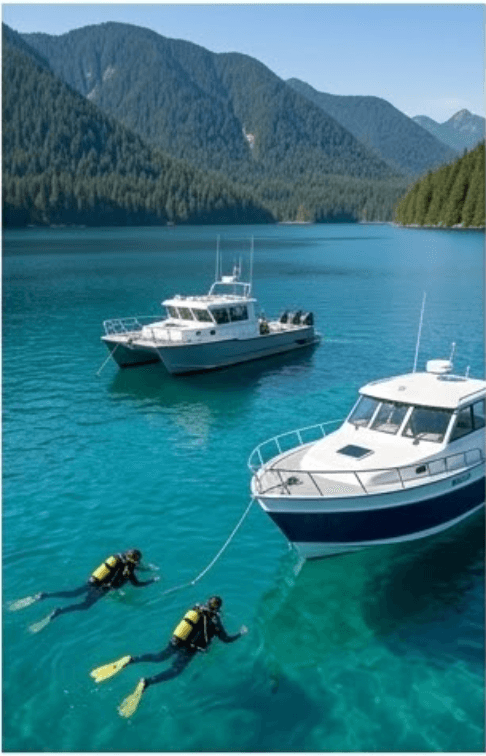
Swimming Pool Experience Diving
Yes, you can try out the skills, equipment, and floating feeling of scuba diving in our small tubs, prior to signing up for the Discover Diving or Open Water courses and programs. For some this is a fantastic barrier removal, as we dont go to the ocean – stay in the safety of the shallow pool area. And still get your photos 🙂 This experience program, designed specifically for Non Swimmers, gives you an immersive feel of what it is like to wear scuba equipment and dive into the open waters of the big blue ocean. This program is useful if you are apprehensive whether or not you want to fully commit to a certification course or if you are on holiday and want to try out something fun with your family and friends. It is not necessary to be a strong swimmer or have any prior knowledge of scuba diving to do this course; it is designed for everyone. Temple Adventures offers a 1 Day (2 hours) Scuba Diving Pool only Experience program. This includes a brief theory session and a pool session where you will be taught basic scuba diving skills.
Couple’s Private Scuba Diving
The Couples Private Diving is a custom made Discover Scuba Diving experience, designed especially for couples. Whether you are celebrating a special event with your loved one or just looking for an unforgettable experience to share with your partner; Temple Adventures has got you covered. You and your partner can enjoy a private classroom and pool session in our discreet pool with one of our qualified instructors. After completing your pool session, your instructor and captain will then take you to sea on a private boat for a romantic experience that you will never forget! After you and your partner complete your dive, it’s time to enjoy a smooth cruise with strawberries & chocolates 🙂 Treat your loved one to something special this anniversary! Requirements: Must be at least 18 years old. Must bring your own swimming costume and personal items. What’s Included: Private boat ride Cake, Chocolates and Strawberries Underwater photos and videos of you and your partner. *Include another couple for just INR 15,000 extra.

We understand: We all want our photos taken underwater which we can upload to social media for all our friends to see. And there are other great reasons to do a one day try dive, before signing up for your Open Water Course. Photography, adventure, an experience with friends / family / colleagues, that weightless, no gravity , spaceman floating feeling, and of course a challenge to see the oceans and marine life that not many have seen before! And before learning how to dive, havent we all wondered what scuba diving is all about and wanted to experience what the blue world holds? Experience scuba diving in India with Temple Adventures with our Discover Scuba Diving experience program. Temple’s “Try Scuba” is an introductory experience program to the vast world of scuba diving. This experience program, designed specifically for Non Swimmers, gives you an immersive feel of what it is like to wear scuba equipment and dive into the open waters of the big blue ocean. This program is useful if you are apprehensive whether or not you want to fully commit to a certification course or if you are on holiday and want to try out something fun with your family and friends. It is not necessary to be a strong swimmer or have any prior knowledge of scuba diving to do this course; it is designed for everyone. Temple Adventures offers a two half day Discover Scuba Diving Experience program. Day 1: Includes a brief theory session and a pool session where you will be taught basic scuba diving skills. This can be combined to a single day program as well, however we highly recommend to do it in two split days. Day 2: Includes the ocean dive, where you will take your very first dive at a maximum depth of 12 meters (40ft). After you are done with your course you will be issued an ISO recognised internationally valid certificate of completion which will allow you to dive anywhere in the world at a maximum depth of 12meters (40ft) with a dive professional for one year. You can also proceed to your Scuba Diver or Open Water international and lifelong certifications. This can be done with us at Temple Adventures, or anywhere in the world at a reputable diving centre. We are happy to recommend you to the best diving operations globally, but will only showcase the ones with the best trainer, equipment, and breathing air for your safety. Basic safety procedures and skills that you will use during dives. You will get an overview of your scuba equipment. You will learn to breathe underwater with your scuba equipment. You will get to swim around and explore the ocean at 12 meters (40ft) with a dive Professional. You will get to see some spectacular marine life. Requirements: Must be at least 10 years old. Reasonable physical health. Carry your own swimsuit, personal items, etc. What’s Included: Underwater photography of each and every diver ISO recognised internationally valid Certificate upon completion (valid for 1 year) Snacks on the day of your dive

Temple’s Equipment Specialist Course is a program designed to familiarise you with the operation and maintenance of dive equipment. It does not teach you to service your regulator, but it will certainly help you diagnose and possibly repair simple problems when you’re at a dive site. Our equipment technician trainers are among the leaders globally, and certainly undertake the highest levels of technician training in India. We would love the chance to share our knowledge and experience with likeminded and keen divers! Temple Adventures’s Equipment maintenance program is conveniently conducted over one evening, from 6pm to 10pm, with plenty of practical demonstrations to make understanding easy. On the Equipment Maintenance program, you will learn how to: • Diagnose & fix common problems • Conduct preventative maintenance • Assemble a spare parts kit to get you out of trouble. • Some of the topics you will cover includes: • Spare parts and tool kit • Regulator first and second stage function and trouble shooting • Submersible pressure gauge function and trouble shooting • BCD and inflator maintenance • Scuba cylinder review and care • Cylinder valve maintenance • Maintenance and repair of exposure suits • General Equipment orientation and setup discussion • Student need to be at least 12 years old • Hold Open Water Diver (or Junior Open Water Certification) or equivalent What’s Included • Equipment Maintenance E-learning • Instructor tuition and administrative fees • Equipment Maintenance Certification Card upon completion of the program What to bring • Equipment Maintenance E-learning knowledge reviews completion certificate

Learn about the benefits and considerations associated with diving Nitrox from 22-40% Oxygen enriched air, and get the most value out of your fun diving time! You’ll be able to analyze cylinder contents,plan your EANx dives with tables or computer,safely increase your no-stop limit & shorten your surface intervals. You’ll learn why diving with air that has higher oxygen and lower nitrogen content gives you more bottom time, along with enriched air equipment considerations. With this training you will learn to dive gases mixtures from 21 to 40% oxygen using a Nitrox-programmable dive computer. During a practical session you will: -Discuss managing oxygen exposure. -Practice analysing oxygen content in your scuba tank. -Set your dive computer for diving with enriched air nitrox. Requirements -Student need to be at least 12 years old -Hold Open Water Diver (or Junior Open Water Certification) or equivalent What’s Included -Instructor tuition and administrative fees -Enriched Air Diver International Certification Card upon completion of the program

Many divers wouldn’t think of diving without carrying a delayed surface marker buoy (DSMB, and in some locations it’s considered required safety equipment. Knowing how to properly deploy and manage a DSMB are valuable skills learned in this course. Academic • Marker buoys serve a range of purposes and you’ll learn about common types of DSMB along with the reels used to control them. During the two training dives, you’ll practice: • Preparing and stowing your DSMB and reel. • Deploying the DSMB from a stationary position and from mid-water. • Swimming while towing a DSMB and managing the reel and line. • Making a safety stop using the DSMB line.
Unlike wetsuits, drysuits are filled with air. During your drysuit course, your instructor will teach you how to control the air in your drysuit along with your buoyancy. You’ll also learn about different types of drysuits, basic drysuit repairs and maintenance. Take This Course If You Want to Dive in colder water temperatures Stay warmer in colder waters Learn to dive in a drysuit Buy a drysuit Learn How to Avoid common drysuit diving problems Choose a drysuit and undergarments Care for your drysuit
Drift Diver(Specialties)
Scuba diving in a current can be both relaxing and exhilarating. You may slowly glide over a reef, or zoom over an underwater landscape so fast it feels like flying. By the end of your drift diver course, you’ll have the skills you need to confidently go with the flow. Take This Course If You Want to -Try drift diving with an instructor -Feel confident diving in a current -Learn about aquatic currents – causes and effects Learn How to -Use surface signaling equipment -Stay close to your buddy -Make entries and descents in a current
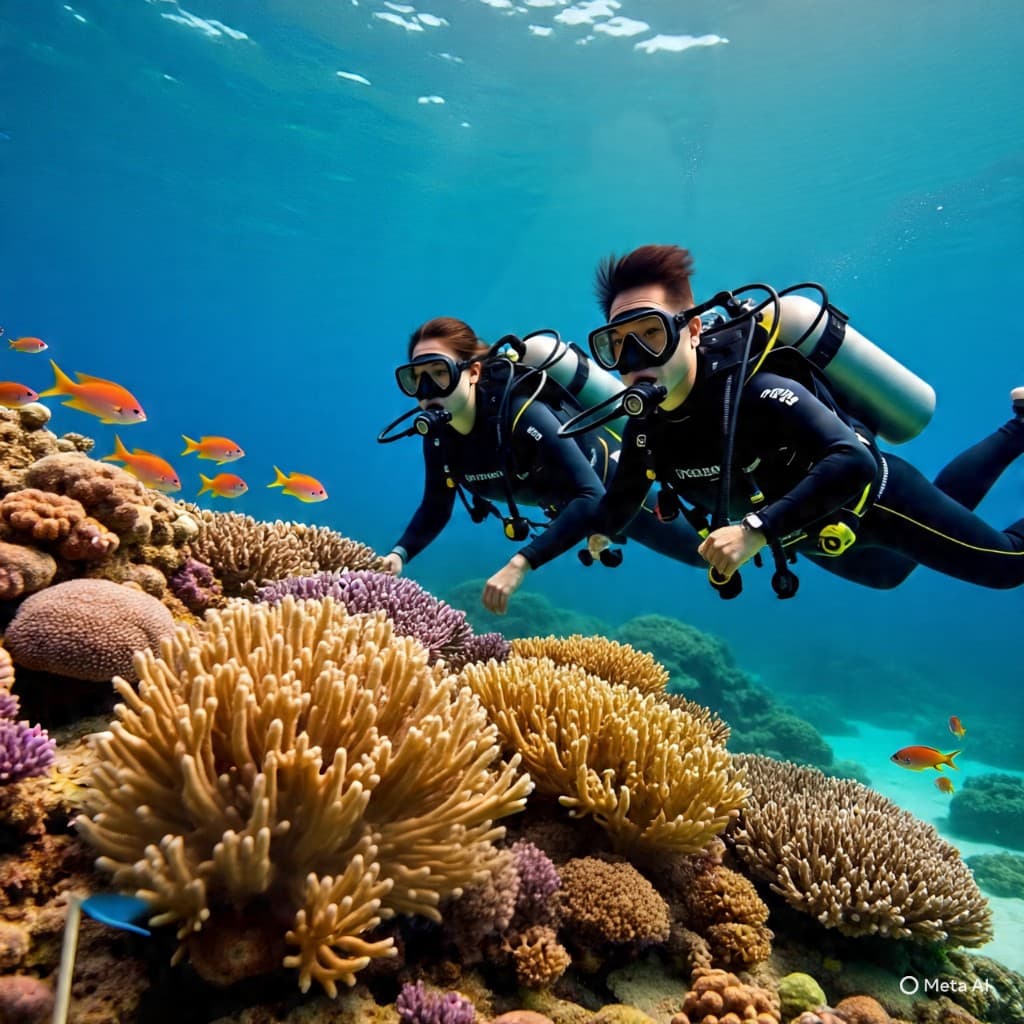
Underwater Digital Photography Course(specialties)
Underwater photography is one of the most popular diving specialties, and with so many u/w cameras to choose from, it has become easier and more fun than ever to capture images of your scuba adventures. Through hands-on training during two scuba dives and guidance from your Instructor, you’ll discover: -How to choose the right underwater camera system for you -The SEA (Shoot, Examine, Adjust) method for getting great shots quickly -Principles for good composition of underwater images -Practical techniques to take great photos with your digital camera. Course is done over an evening discussion and one full day. On this program you will learn the basics of Digital Underwater Photography including, but not limited to: Composure, Lighting, Colour, Focussing, Environmental impact as well as basic photography editing. #Dive 1 – Cameras system – Basics of digital photography – Underwater photography and shooting – SEA methodology – Camera maintenance and care #Dive 2 – Camera settings: aperture, shutter speed, ISO, noise, exposure compensation – Setting adjustment underwater – Images composition – Manual white balance – Underwater strobe / Flash use #Classroom Session – Photography workflow: downloading, backing up, sorting and organizing images and images processing. Requirements 10 years or older Hold a Open Water Certification or equivalent: please keep in mind that take good photos if you don’t have a good buoyancy can be extra challenging! Although there are no requirements, we strongly advice the student to have done at least 20 dives to ensure good buoyancy skills. Complete the diving Medical Questionnaire and seek medical clearance if required Instructor tuition and administrative fees Underwater Photographer International Certification Card upon completion of the programme
Deep Diver Course(Specialties)
Temple’s Deep Diver certification program is intended to serve as a safe, supervised introduction to deeper diving within the limits of recreational diving. The program will familiarize you with all the skills & knowledge to enjoy diving in depths up to 40m. Program Structure The course consists of one evening academic session and four boat dives. Academic Session Topics to be covered include: • Deep diving activities and objectives • Definition of deep diving and depth limits • Deep diving equipment & techniques • Nitrogen narcosis • Decompression sickness • Flying after diving, driving through mountains etc • Recreational dive planner review • OW Dives Dive #1 -Perform timed task -Compare depth gauge readings Dive #2 -Visual line descent -Observe pressure affected objects -Navigate away from and back to reference line Dive #3 -Observe loss of colour at depth -Physical tasks -Stage Bottle Rigging (SBR) Dive # 4 -Underwater tour Requirements Student need to be at least 15 years old Hold an Advanced Open Water Certification or equivalent What’s Included -FREE Gear Hire -Instructor tuition and administrative fees -Deep Diver International Certification Card upon completion of the program
Dive Against Debris(Specialties)
Make a difference on every dive by activating your inner citizen scientist. During the Dive Against Debris® Diver Specialty course, you’ll learn how ocean plastic and trash cleanups not only keep your local dive sites healthier, but also how to contribute to a global database that documents our planet’s marine debris problem. Under the guidance of your instructor, you’ll participate in a Dive Against Debris survey and turn your passion for the underwater world into real action. Join the PADI Torchbearertm movement of divers protecting our ocean planet and making every dive count. Take This Course If You Want to -Become a citizen scientist for marine conservation -Learn how you can truly make a difference for our oceans -Keep your local dive sites clean from ocean plastic and debris Learn How to -Identify which objects should and shouldn’t be removed from the ocean -Conduct a survey: Sort, record and report the marine debris you collect -Contribute to PADI AWARE Foundation’s global database

If you’re new to boat diving or want to learn more about diving from different types of boats, enroll in the PADI® Boat Diver course. During two dives with an instructor you’ll learn nautical terminology, boat diving etiquette and may practice using lines and/or deploy a surface marker buoy (SMB). Learn How to -Pack for a boat trip -Properly stow your gear -Manage seasickness
Increase your awareness of divers’ varying abilities, and explore adaptive techniques to apply while diving or freediving with a buddy with a disability. Do you want to learn how to best support a dive buddy who has a physical or mental challenge? The PADI® Adaptive Support Diver course will increase your awareness of divers’ varying abilities, and explores adaptive techniques to apply while diving or freediving with a buddy with a disability. Open Water Divers or PADI Freedivers who are at least 15 years old and have completed the EFR Primary and Secondary Care course within 24 months are eligible to take the PADI Adaptive Support Diver course. It is also recommended that you complete the Peak Performance Buoyancy course beforehand so that you have better awareness of trim. Academic Through knowledge development and two diving workshops – one in confined water and one in open water – you’ll learn useful techniques that will increase your ability to become a better dive partner to a diver with a disability. You’ll gain insight and practical experience as you learn about: 1.Becoming more aware and mindful of individual considerations when diving with people with disabilities. 2.Adaptive techniques that can be applied while diving with buddies with mental and/or physical challenges.
This is a must for all frequent divers. Surface and underwater scenario practice of conscious, unconscious and panicked divers, along with a full range of diving accident simulations. A very fun course due to its “role-playing” nature, it is recommended that all divers participate in this to broaden their skills and promote diver safety. Rescue Diver Program Structure: Self Rescue, EFR and CPR Review, Water Skills Review, Diver Assists and Rescues, Rescue Scenarios Training, Emergency Plans Requirements: Students must be 10 years or older. -Must have an Advanced Open Water Certification or equivalent from any agency. -Must have an Emergency First Response or equivalent (book with your Rescue Diver course and save!) -Students must complete the scuba diving medical questionnaire and seek medical clearance (if required). What’s Included: -Free scuba gear hire. -Rescue Diver eLearning Pass. -Instructor tuition and administration fees. -Rescue Diver International Certification Card upon completion of the program.
Emergency First Aid Response(Continued Education)
This is a must for all frequent divers. Surface and underwater scenario practice of conscious, unconscious and panicked divers, along with a full range of diving accident simulations. A very fun course due to its “role-playing” nature, it is recommended that all divers participate in this to broaden their skills and promote diver safety. Rescue Diver Program Structure: -Self Rescue -EFR and CPR Review -Water Skills Review -Diver Assists and Rescues -Rescue Scenarios Training -Emergency Plans Requirements: -Students must be 10 years or older. -Must have an Advanced Open Water Certification or equivalent from any agency. -Must have an Emergency First Response or equivalent (book with your Rescue Diver course and save!) -Students must complete the scuba diving medical questionnaire and seek medical clearance (if required). What’s Included: -Free scuba gear hire. -Rescue Diver eLearning Pass. -Instructor tuition and administration fees. -Rescue Diver International Certification Card upon completion of the program.

This course includes one deep dive to increase your depth limit to 30 m, and a navigation dive to improve your skills. You chose 3 more dives : Drift, Peak Performance Buoyancy, Boat, Fish ID, Search & Recovery, or Digital Underwater Photography, Wreck… Become an Advanced diver to access all Pondy or Chennai dive sites, including the mythical Aravind Wall! More details about this course: -It’s designed for certified Open Water divers who want to improve their scuba skills and underwater knowledge. -The course involves 5 total dives over 2 days: 2 required dives (Deep Dive to 30 meters and Underwater Navigation) and 3 elective dives chosen from options like Drift, Boat, Wreck, Night, Fish ID, Buoyancy, Search & Recovery, Underwater Photography, and Underwater Naturalist. -The elective dives offer diverse experiences and skills, and can also count toward future specialty courses. -The course takes place at premier dive sites in Pondicherry, providing hands-on learning for confident and advanced scuba diving. Requirements: Students must be 12 years or older. Hold an Open Water certificate or equivalent. Complete the scuba diving Medical Questionnaire and seek medical clearance (if required). Students must carry their own swimsuits, towels, caps, personal items. What’s Included: Free gear rental Advanced Open Water eLearning Advanced Open Water Diver International Certification Card upon the completion of the course Breakfast and snacks on the boat
The PADI Open Water course is by far the most fun way to enter into Scuba diving, the student learns all the basic skills to be a safe and confident diver by gaining an international certification. Qualified to a depth of 18m, the student can now travel and dive anywhere in the world. Knowledge Development (Pre-Learning: Videos + E-Learning done remotely; once a deposit is made we can send in the course material). Scuba diving is an exciting sport and in order for it to be a safe and enjoyable experience, there are certain rules and regulations that every scuba diver must follow. Prior to the pool, lake/quarry and ocean sessions, students have to complete the Online Training, where you will learn all about the equipment, skills, physics and physiology of scuba diving and how it affects the body. Prior eLearning allows you to complete the theory online at your own pace and convenience. While the eLearning material is self-explanatory and easy to follow, we do understand that students may still have questions and that is completely okay! We are trained professionals who are here to help you through every step of becoming a scuba diver. In-Water Sessions The Open Water Diver course is completed over 3-4 days, with one day in the pool and quarry and the other day in the ocean. A general schedule would look like: Day 1: Pool and Theory (6:30-16:00) Our pool sessions is where you will learn to master all your scuba diving skills. From basic to slightly more complex skills, your assigned instructor will make sure you complete these scuba diving skills in a stress-free manner. Your instructor will take you through every skill-set step by step till you are familiarised and comfortable enough to perform the skill. We start our days early and start off with Orientation Quick Reviews Theory completion either on e-learning or led by your Instructor Equipment Setup Pool Session (confined training1 and 2) Confined training 3 and 4 at the quarry or a swimming pool Equipment de-kitting and washing and storing the equipment. Day 2: Open Water Dives 1-2 (6:30-15:00) The first two dives are conducted either in the ocean or a tropical inland fresh water lake depending upon the training progress, weather conditions and other factors. You will be diving to a depth of 12 metres for 2 dives with your instructor where you practice and test skills you learnt earlier in your confined water sessions. Again we start our days early so that we can get all the equipment setup and head to the ocean for the last two dives. Day 3: Open Water Dives 3-4 (6:30-15:00) You are two more dives away from becoming a PADI certified open water diver! You will notice your progress as a scuba diver and see that these two dives will be a lot easier as you would have gained more confidence. Again we start our days early so that we can get all the equipment setup and head to the ocean for the last two dives. Dives 3 and 4 are conducted in the ocean at the depth of 18m where you will again be tested on your scuba diving skills. Once the skills are completed we will still have enough time to explore the underwater world. Like Day 2, you will be required to wash and store the scuba gear and also finish up any pending paper work with your instructor. *It is important to keep in mind that scuba diving is dependant on the weather. Temple Adventures reserves the right to change dive locations and/or times to better suit the prevailing weather conditions for an enjoyable scuba diving experience. Requirements: •Minimum age for students to try the Open Water Course is 10 years. •Though you do not have to be a strong swimmer, you have to be able to swim non-stop and unaided for 200 meters OR must be able to swim with snorkelling gear for 300 meters. •Students must be able to float for 10 minutes without any support. •Students must carry their own swimsuits, towels, caps, face mask, personal items.
Scuba Diver Course
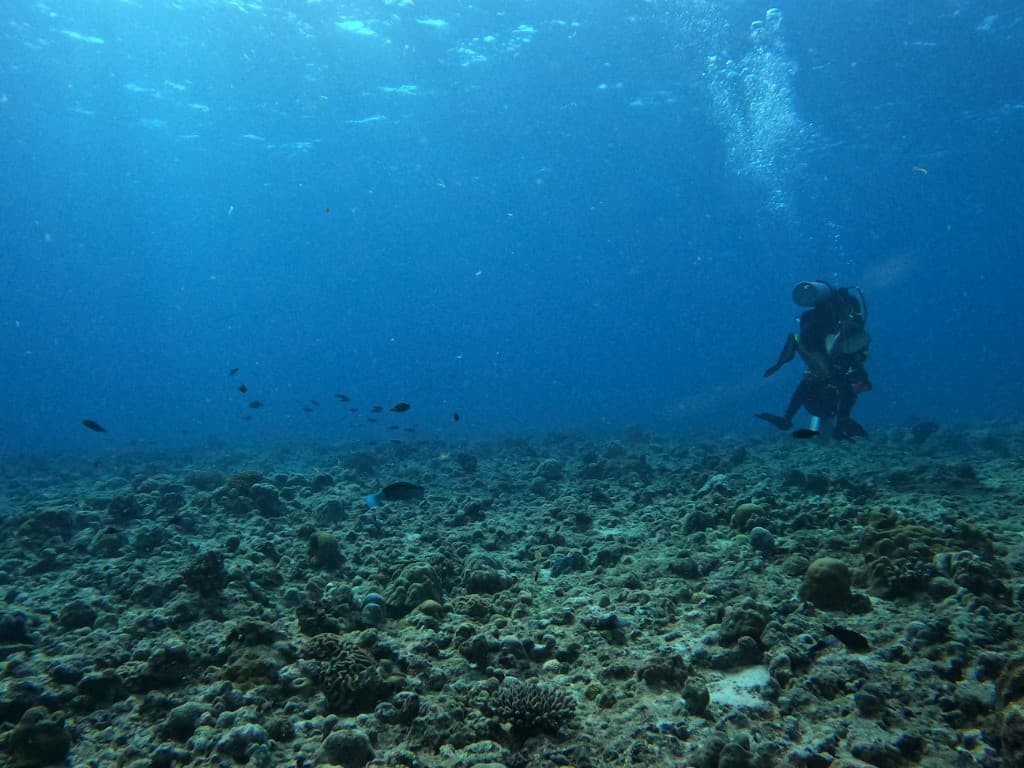
This is an exciting first step to attaining scuba diver certification. It is suitable for those interested in learning scuba diving and getting certified, even if they can't swim well. The course qualifies you to dive anywhere in the world up to a depth of 12 meters when accompanied by an instructor or certified assistant. The training includes both pool and ocean sessions, and upon completion, you receive an internationally recognized certification. The course focuses on skill-building, safety, and confidence, with online theory followed by practice in both pool and open water. In-Water Sessions The Scuba Diver Course is completed over 2 days, with the 1st day in the pool / sweet lake / quarry and the 2nd day in the ocean. A general schedule would look like: Day 1: Pool Session Our pool sessions is where you will learn to master all your scuba diving skills. From basic to slightly more complex skills, your assigned instructor will make sure you complete these skills in a stress-free manner. Your instructor will take you through every skill set step by step till you are familiarised and comfortable enough to perform the skill. Pool sessions start during the day and can take up a good few hours depending on the pace and progress of each student. Day 2: Open Water Dives (1&2) After you are done with your pool session, to yours and your instructor’s satisfaction, it is now time to test your skills in open waters. You will be doing 2 open water dives, where you have to perform a set of skills during each dive. The fun part is that after you are done with your skills you will still have enough time to explore the underwater world and experience what it is like to go scuba diving! After you are done with the two dives, you will head back to the dive shop where we will guide you on how to wash and store the scuba gear as it is an important aspect of being a good scuba diver. Requirements: Minimum age for students to try the Scuba Diver Course is 10 years. Students must be able to float for 10 minutes without any support. Students must carry their own swimsuits, towels, caps, personal items. Dive School Inclusions: All scuba gear rental. All Open Water certification fees. Breakfast and snacks on the boat.